Category Mapping
We map safety glasses, hearing protection, hard hats and hi-vis workwear against task groups, wearer concerns and standards references so the list is easier to explain.
Radians program support begins with the practical reality of PPE buying: safety managers need products workers will wear, purchasing teams need clean quote information, and distributors need enough context to avoid sending the wrong alternate. The service model connects those groups without turning every reorder into a new project.
For safety eyewear, hearing protection, hard hats and hi-vis workwear, the service conversation separates product compliance language from workplace policy language. ANSI Z87.1-2020, ANSI Z89.1-2014, ANSI/ISEA 107-2020 and EN 352 references can be organized in a file, while OSHA alignment remains a workplace program matter rather than a product approval claim.
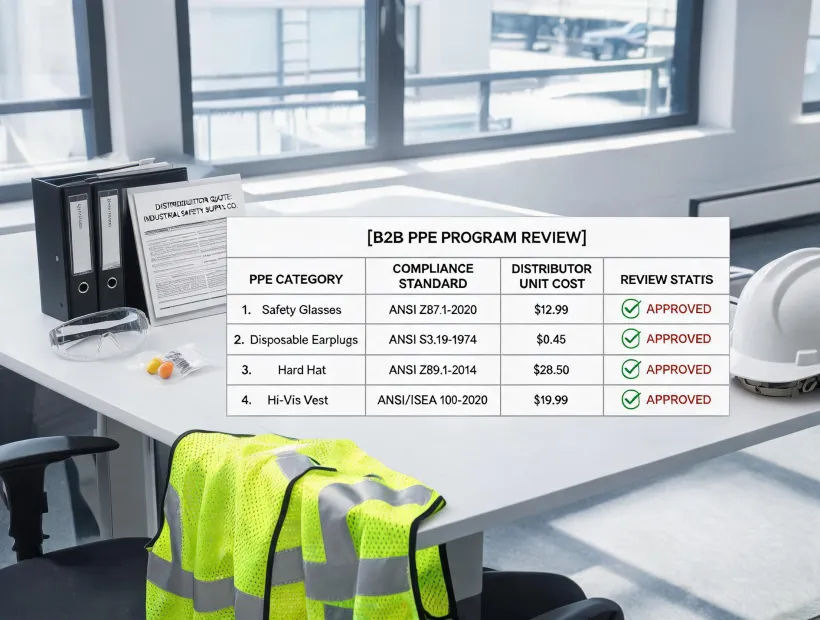
Each service is built for the moment when an approved list must become a real order, a real shipment and a real record. The aim is not to replace the employer hazard assessment; it is to make the category information easier to compare and maintain.
We map safety glasses, hearing protection, hard hats and hi-vis workwear against task groups, wearer concerns and standards references so the list is easier to explain.
Sample requests can be grouped by shift, department or location. Feedback is captured in plain language: fit, fogging, comfort, attenuation, visibility and reorder preference.
Approved items, alternates, packaging quantities and lead-time notes are collected into a single quote-ready file that helps reduce back-and-forth.
Quarterly or seasonal reviews look at usage, returns and worker comments so teams can adjust before stockouts or nonstandard substitutions appear.
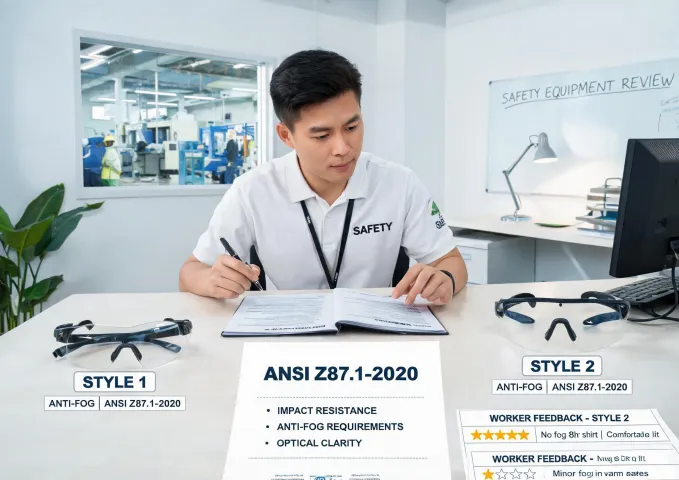
A multi-site manufacturer wanted fewer safety glasses styles but had different fogging, tint and fit complaints by department. The review separated high impact language from comfort preferences, then created a short approved list with clear alternates. The result was a more defensible selection path and fewer informal substitutions at the crib window.
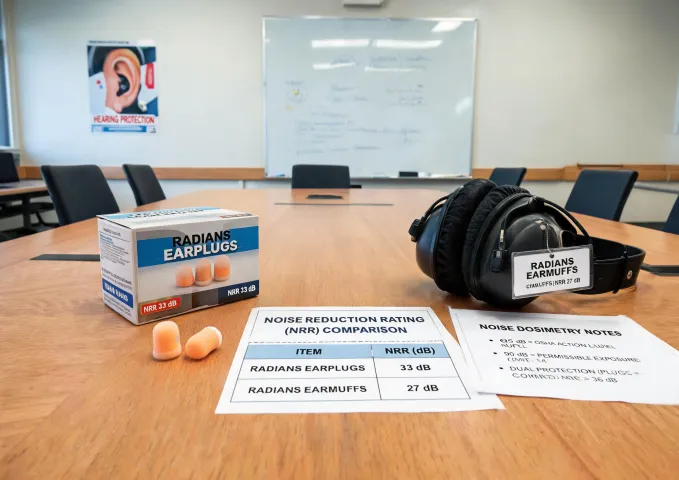
For noisy production areas, buyers needed a selection method that respected NRR values, comfort and training consistency. The service pack documented custom molded earplug requests, disposable plug alternates and earmuff options while reminding managers that attenuation performance depends on fit, training and the real noise profile.
Include the categories in scope, approximate workforce count, preferred distributor process and any standards language that must appear in the internal file. We will respond with a practical next step rather than a broad claim.